Canada's outdoor growing season for balcony herb gardeners is shorter than in most temperate regions. In Toronto, the frost-free window runs roughly from mid-May to mid-October — about five months. In Calgary, it shortens further, with average last frost in mid-May and first autumn frost sometimes as early as mid-September. In Vancouver, the season extends considerably, with frost rare at sea level through much of the year.
Within this variation, there are practical strategies for extending the period when herbs can be grown productively outdoors on a balcony — starting a few weeks earlier in spring and maintaining production into late October or early November in many parts of southern Canada.
Understanding Frost Risk by Region
The two relevant dates for balcony herb gardeners are the average last spring frost date and the average first autumn frost date. These vary considerably across Canada:
| City | Avg. Last Spring Frost | Avg. First Autumn Frost | Frost-Free Window |
|---|---|---|---|
| Vancouver, BC | Late February – Early March | Mid-November | ~250 days |
| Toronto, ON | Late April – Early May | Mid-October | ~160 days |
| Montreal, QC | Late April – Early May | Early October | ~155 days |
| Ottawa, ON | Mid-May | Early October | ~140 days |
| Calgary, AB | Mid-May | Mid-September | ~120 days |
| Edmonton, AB | Late May | Mid-September | ~110 days |
These are averages based on historical records. Year-to-year variation is common; a late cold snap in May or an early frost in September can occur. Exact historical data is available from Environment and Climate Change Canada's climate data portal.
Balcony Microclimate
Apartment balconies create their own microclimate that differs from ground-level conditions. Several factors affect how cold a balcony actually gets:
Building Mass and Heat Retention
High-rise apartment buildings absorb heat during the day and release it slowly overnight. Balconies on floors above the third or fourth tend to be warmer at night than ground-level spaces, particularly when the building wall is close to the container plants. This can make a south or southeast-facing apartment balcony 2–4°C warmer on clear nights than the Environment Canada forecast for the city.
Wind Exposure
High-floor balconies are frequently more exposed to wind, which increases chilling effect and dries growing medium faster. Wind from the north or northwest is the primary cause of cold damage in autumn in most Canadian cities. A railing-mounted windbreak or temporary screen can make a meaningful difference.
Balcony Orientation
South and west-facing balconies receive the most solar heat gain and are warmest. North-facing balconies receive no direct sun in summer outside of early morning and late evening, and are significantly cooler throughout the season.
Starting Earlier in Spring
Most herbs can be started indoors from seed 6–8 weeks before the expected outdoor placement date. For Toronto, this means starting seeds in late March for a mid-May outdoor transition.
An alternative approach is to harden off established plants — purchased from a nursery or overwintered indoors — by placing them outside for progressively longer periods over 7–10 days before leaving them out full-time. Begin this process 1–2 weeks before the average last frost date, bringing containers inside if frost is forecast.
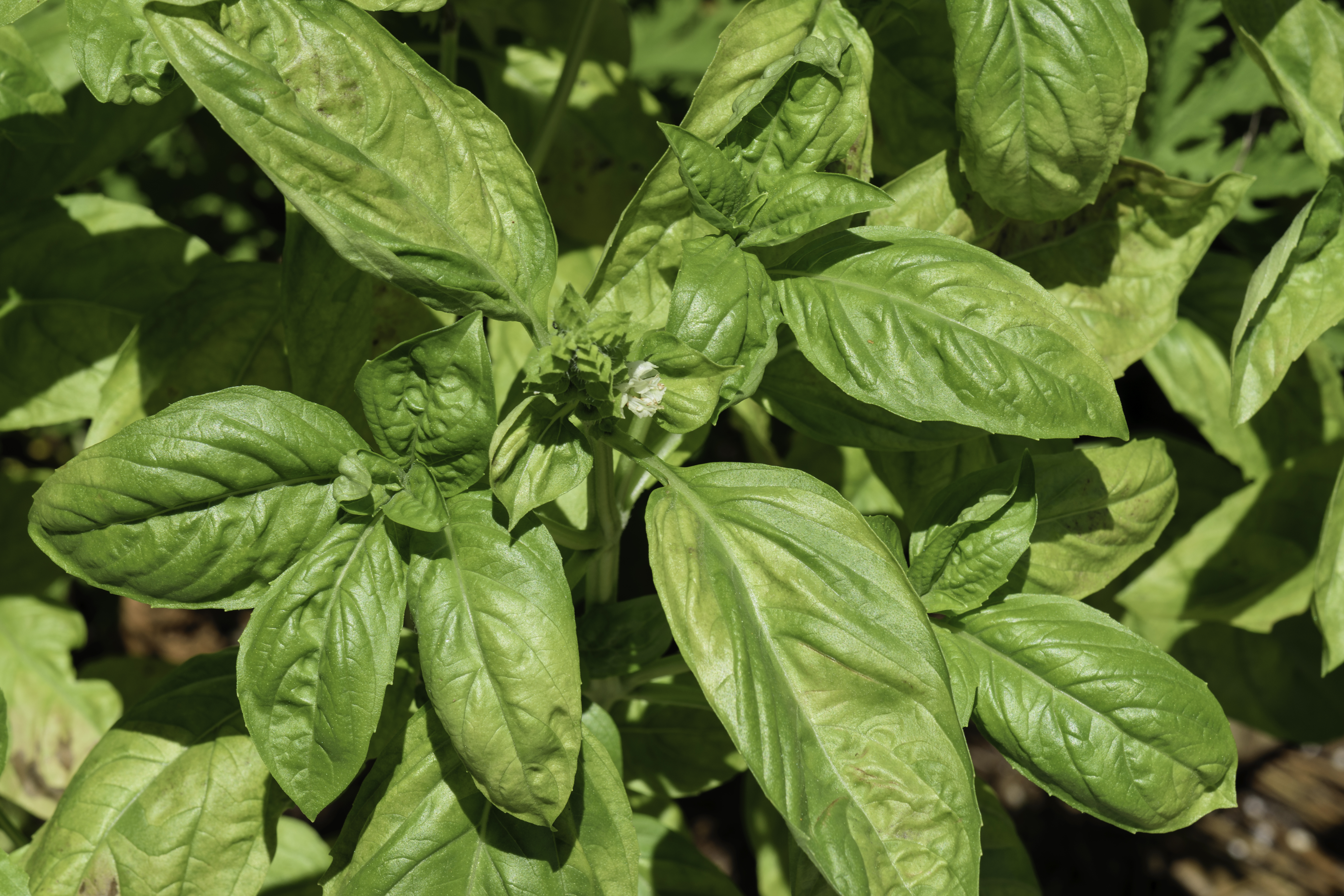
Cold-tolerant herbs — chives, parsley, mint, thyme — can go out 2–3 weeks earlier than frost-tender herbs like basil. Basil should not be placed outdoors when overnight temperatures will drop below 10°C.
Extending into Autumn
The most useful tool for extending the balcony herb season into October is frost cloth (also called row cover or frost fleece). A single layer of lightweight horticultural fleece, draped over containers overnight when frost is forecast, can protect hardy herbs down to -2°C or -3°C. This is sufficient to bridge occasional early frost events while daytime temperatures remain warm enough for good growing conditions.
Which Herbs to Keep Outdoors Longest
Chives are the most frost-tolerant culinary herb for containers — established plants can handle light frost without damage and will continue producing until temperatures are consistently below 0°C. Thyme, parsley, and mint also handle light frost. Rosemary tolerates brief light frost but should be brought inside before sustained cold in zones 5 and below. Basil is the most vulnerable; it should be moved indoors when overnight temperatures fall below 10°C, well before the first frost.
Bringing Plants Indoors
Inspect container plants for pests before bringing them inside for winter. Aphids, scale, and spider mites can arrive unnoticed and become significant problems in the warm, dry conditions of a heated apartment. A thorough visual inspection and, if needed, a rinse with diluted insecticidal soap before bringing plants in reduces the risk of indoor infestations.
Containers on Cold Surfaces
Concrete balcony surfaces conduct cold into containers from the bottom. Elevating pots on a wooden tray, small platform, or even a few layers of cardboard reduces this heat loss. For basil in particular, root zone temperature is as important as air temperature — basil roots below 15°C grow slowly regardless of how warm the air is above.
Balcony Weight Limits
Apartment balconies have rated load limits specified by building codes, and adding heavy containers can approach these limits if not managed carefully. Wet growing medium is significantly heavier than dry. Lighter container materials (plastic rather than terracotta or concrete) and lightweight growing mixes with added perlite reduce weight while maintaining good growing conditions for herbs.
If you are uncertain about the load limits for your balcony, the building management office or the relevant municipal building department can provide information based on the building's specifications.
Pest Management on Balconies
Balcony herbs are less exposed to soil-borne pests than ground-level gardens, but aphids and whiteflies can still arrive from neighbouring balconies or building landscaping. Regular inspection of leaf undersides allows early detection. Aphids can be removed with a firm spray of water; severe infestations may need a treatment with an insecticidal soap approved for edible plants.