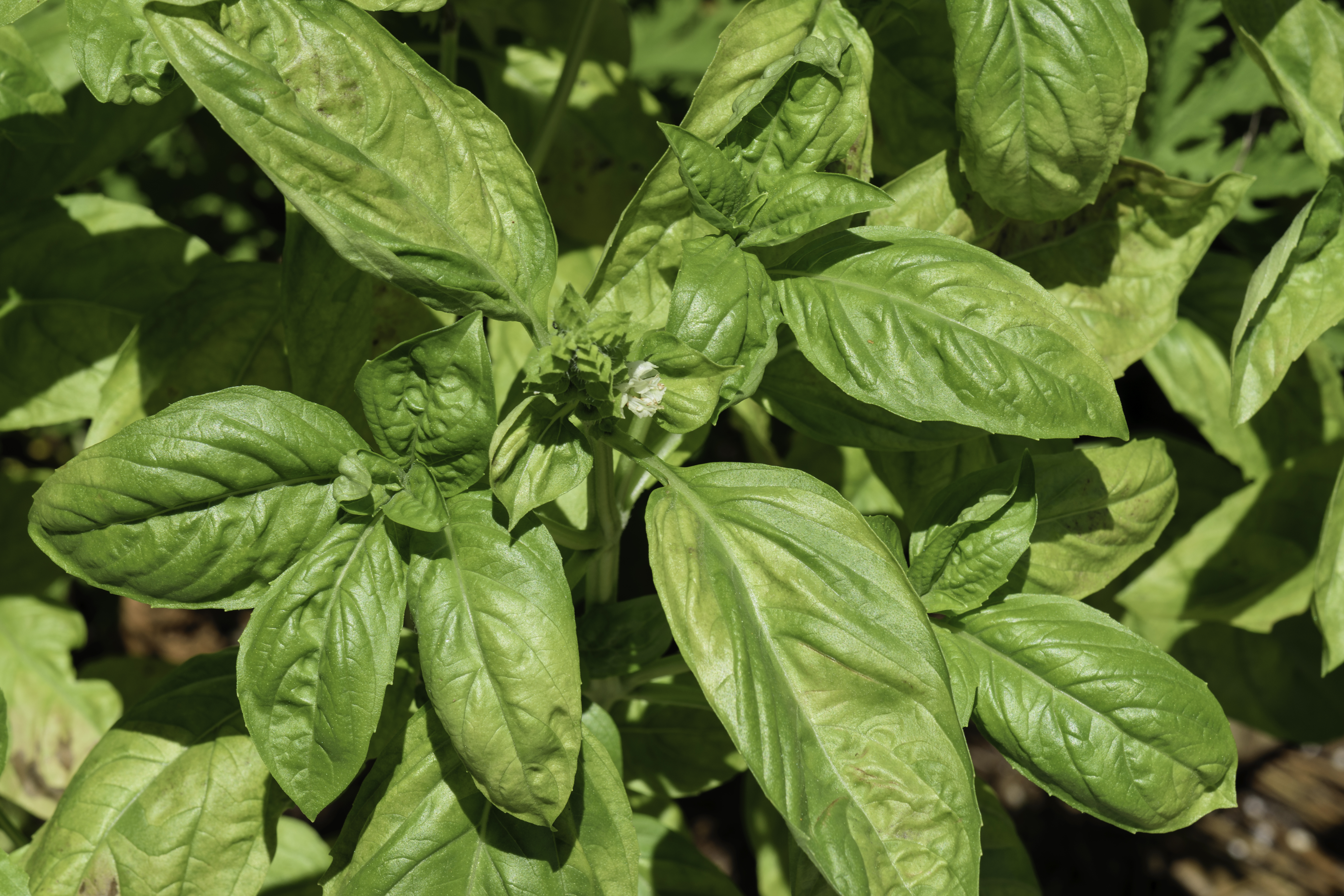
Container herb gardening removes several constraints associated with outdoor beds — no ground frost risk, no soil compaction, and the ability to move plants as light conditions change through the season. But containers introduce their own set of variables: volume, material, drainage, and growing medium all interact in ways that differ substantially from garden soil.
This guide focuses on the practical decisions involved in choosing the right container and growing mix for the most commonly grown culinary herbs: basil, thyme, rosemary, mint, chives, and parsley.
Why Container Choice Matters
The container is not just a vessel — it affects root temperature, moisture retention, and how quickly the growing medium dries out between waterings. In Canadian apartments, where balconies can face full sun in summer and indoor conditions vary widely, getting the container right is foundational.
Material
Terracotta pots are porous and allow air exchange through the walls, which reduces the risk of waterlogged roots — a common issue with herbs like rosemary and thyme that prefer drier conditions. The tradeoff is that terracotta dries out quickly in warm weather, requiring more frequent watering.
Plastic containers retain moisture longer, which suits herbs like mint, parsley, and basil that prefer consistently moist (not wet) growing medium. They are also lighter, which matters if weight is a constraint on a balcony.
Glazed ceramic pots fall between the two: less porous than terracotta, more decorative, and reasonably stable for herbs that need moderate moisture.
Drainage
Every container used for herbs should have at least one drainage hole at the base. Without drainage, water accumulates around roots even if the surface of the growing medium appears dry. Root rot follows within days in wet summer conditions.
If a decorative outer pot has no drainage hole, use it as a cache-pot — place the herb's actual growing container inside it, and empty any accumulated water after each watering session.
Pot Sizes by Herb
Root volume requirements differ significantly between herbs. Putting a small herb in a large pot is not automatically better — excess soil that isn't reached by roots can become waterlogged.
| Herb | Minimum Pot Diameter | Notes |
|---|---|---|
| Basil | 15 cm (6 in) | Prefers warmth at root level; avoid terracotta on cold surfaces |
| Thyme | 15 cm (6 in) | Low water requirement; terracotta works well |
| Rosemary | 20 cm (8 in) | Deep roots; needs room to grow; repot annually |
| Mint | 20 cm (8 in) | Grows aggressively; never share a container with other herbs |
| Chives | 15 cm (6 in) | Can be grown in a cluster; tolerates moderate crowding |
| Parsley | 20 cm (8 in) | Long taproot; needs depth of at least 25 cm |
Growing Medium
Standard potting mix sold at Canadian garden centres is a starting point, but most herbs benefit from modifications. General potting soil retains water well — useful for some herbs, problematic for others.
Basil
Basil grows in standard potting mix with minimal amendment. The key requirement is warmth: soil temperature below 15°C significantly slows growth. Avoid placing basil containers on cold concrete balcony surfaces without insulation underneath.
Rosemary
Rosemary is native to the Mediterranean and performs best in well-drained, lean soil. Mix standard potting medium with coarse perlite or horticultural grit (roughly 1:3 ratio) to improve drainage. Overly fertile soil encourages soft growth that is more susceptible to cold damage when brought back outdoors in spring.
Mint
Mint tolerates standard potting mix and doesn't require amendment for drainage. It prefers consistent moisture and does well with a layer of mulch on the surface to slow evaporation. Spearmint and peppermint both grow well in containers, though spearmint is generally less aggressive.
Thyme
Common thyme (Thymus vulgaris) is one of the easiest culinary herbs to grow in containers. It prefers fast-draining medium with low fertility. Mix potting soil with perlite or coarse sand. Thyme is sensitive to overwatering — allow the medium to dry out partially between waterings.
Chives and Parsley
Both tolerate standard potting mix. Chives benefit from a slightly richer mix as they are harvested frequently and need to regenerate leaves. Parsley, being a biennial with a taproot, needs a deep container and regular feeding with a diluted balanced fertilizer during the growing season.
Repotting and Soil Refresh
Container-grown herbs deplete their growing medium over time. Nutrients are consumed or flushed out with watering. Most herbs benefit from a complete soil refresh or repotting at the start of each growing season, typically in late April or early May in most Canadian cities.
Signs that a herb needs repotting: roots emerging from drainage holes, growth noticeably slower than prior seasons, or water running straight through without being absorbed.
Canadian Seasonal Considerations
Canada's climate varies considerably from Vancouver's mild winters (USDA zone 8–9) to Calgary's continental cold (zone 4–5) and Toronto's variable winters (zone 6). For container herb gardeners, the practical implication is the timing of moving herbs outdoors in spring and back indoors in autumn.
In most of Ontario and Quebec, herb containers can safely go onto balconies after the last frost — typically mid-May in Toronto, but late May or early June in Montreal or Ottawa. Hardy herbs like chives and thyme tolerate brief light frost; basil should not be exposed to temperatures below 10°C.
For specific frost dates by city, Environment and Climate Change Canada publishes historical climate averages at climate.weather.gc.ca.

