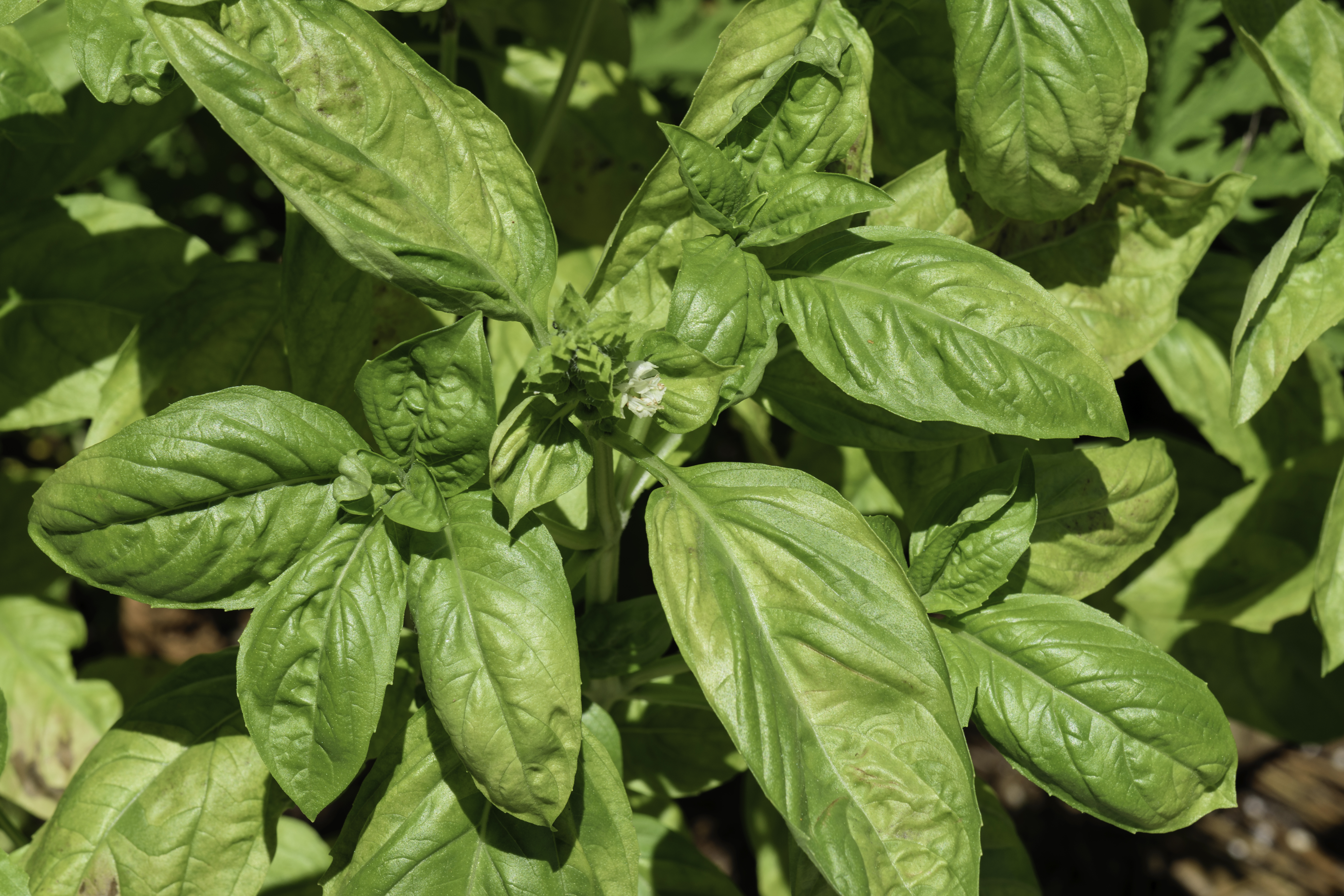
The two most common reasons indoor herb plants decline — particularly in Canadian apartments from October through April — are insufficient light and inconsistent watering. Both are manageable, but each herb has specific thresholds that differ considerably from the general "put it in a sunny window" advice often given.
This article covers light requirements by herb, how to evaluate your window situation realistically, when supplemental lighting is necessary, and how to build a watering approach that accounts for container type and indoor humidity levels.
Light Requirements by Herb
Culinary herbs generally fall into two categories: those that need full or near-full sun (6+ hours of direct light daily) and those that manage in partial shade (3–4 hours of direct light). In indoor settings, "direct light" means unobstructed sunlight through a window, not diffused daylight through a north-facing or shaded glass.
| Herb | Light Requirement | Minimum Daily Direct Light |
|---|---|---|
| Basil | Full sun | 6–8 hours |
| Rosemary | Full sun | 6+ hours |
| Thyme | Full sun | 6+ hours |
| Mint | Partial shade | 3–4 hours |
| Chives | Partial to full sun | 4–6 hours |
| Parsley | Partial to full sun | 4–6 hours |
Evaluating Window Orientation in Canadian Apartments
In Canada, the sun's arc is lower in the sky outside of midsummer, particularly in provinces above the 49th parallel. A south-facing window provides the most direct sunlight year-round. East and west-facing windows provide reasonable morning and afternoon light respectively, but deliver fewer total hours of direct sun than south-facing ones during the shorter days of autumn and winter.
North-facing windows in Canada receive no direct sunlight from September through March across most of the country. Herbs placed here will survive but not produce meaningful growth without supplemental lighting.
A practical test: hold your hand 30 cm above the windowsill. A sharp shadow indicates direct sunlight strong enough for full-sun herbs. A faint or diffuse shadow indicates conditions suited only to shade-tolerant herbs like mint or parsley.
Supplemental Lighting
For Canadian winters, grow lights are a practical option for anyone wanting to maintain active herb production from November through March. The technology has improved significantly over the past decade, and LED grow panels are now energy-efficient enough to run daily without a significant impact on electricity costs.
What to Look For
Full-spectrum LED lights in the 2700–6500K colour temperature range cover the wavelengths needed for vegetative herb growth. For a windowsill setup, a small LED panel providing light intensity in the range of 200–400 µmol/m²/s at plant level is sufficient for most culinary herbs.
Running a grow light for 12–14 hours per day simulates the daylight hours of a Canadian summer. A basic outlet timer eliminates the need to switch it manually.
Distance
Most LED grow lights designed for herbs should be positioned 15–30 cm above the plant canopy. Too close and light intensity can stress foliage; too far and intensity drops below useful thresholds. Check the manufacturer's recommended distance for the specific unit.
Watering: The Underlying Logic
Overwatering is the leading cause of container herb death indoors. The mistake is typically not the volume of water applied at once, but the frequency — watering on a fixed schedule regardless of how dry the growing medium actually is.
The Finger Test
Insert a finger 3–4 cm into the growing medium. If it feels dry at that depth, water thoroughly until water runs from the drainage hole. If it still feels moist, wait another day before checking again. This simple test is more reliable than any calendar-based schedule.
Indoor Humidity and Evaporation Rate
Canadian apartments heated in winter maintain relative humidity between 20–35% in many cases — considerably drier than summer outdoor conditions. Paradoxically, this does not mean herbs need more frequent watering: the reduced growth rate of plants during low-light winter months also reduces their water uptake. Waterlogging becomes more likely in winter, not less, because roots are less active.
Water Quality
Tap water in most major Canadian cities is treated with chlorine or chloramine. Chlorine evaporates from a glass of water left overnight; chloramine does not. Both are tolerated by most herbs at the concentrations found in municipal water. If leaves show tip browning with no other apparent cause, switching to filtered or room-temperature standing water for a period can help isolate whether water quality is a factor.
Seasonal Adjustments
Indoor herbs in Canadian apartments need different management through the year. The key transitions are:
- October–November: Daylight hours decrease rapidly. If herbs were on a balcony, bring them indoors before nighttime temperatures drop below the threshold for each herb. Reduce watering frequency as growth slows.
- December–February: Lowest-light period. Add supplemental lighting if south-facing windows are insufficient. Water less frequently.
- March–April: Light increases noticeably. Begin watering slightly more frequently. Hold off fertilizing until growth resumes visibly.
- May: Resume outdoor placement once overnight temperatures are reliably above each herb's minimum.
Environment and Climate Change Canada provides monthly sunshine hours by city at climate.weather.gc.ca, which can help calibrate expectations for your location.
Common Problems and Their Causes
Yellowing lower leaves on basil or parsley typically indicates overwatering. Leggy, elongated stems on thyme or rosemary indicate inadequate light — the plant is stretching toward whatever light is available. Pale, washed-out foliage on mint often signals either overexposure to direct sun or, less commonly, nutrient depletion.
Fungus gnats — small flies around soil — indicate the growing medium is staying too moist between waterings. Allowing the top 3–4 cm to dry out completely between waterings usually resolves the issue over two to three weeks.